

📸 Inside 80 Buddhist Caves
+ the disappearance of Harry Kipper
ON FEATURE SHOOT
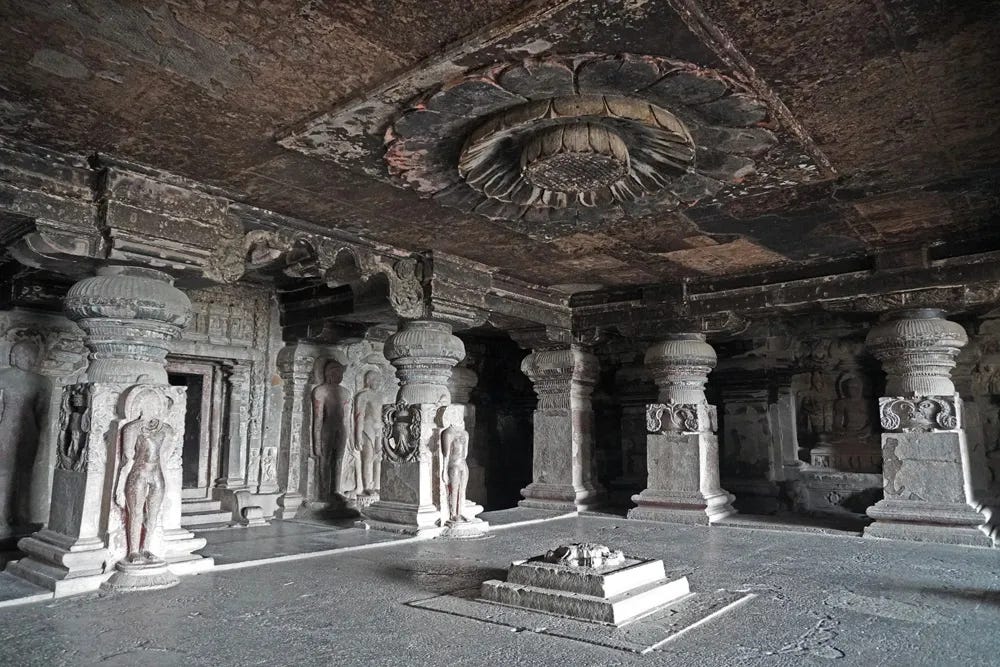
Inside 80 Buddhist Caves in India: One Scholar’s 10,000-Image Archive
Dr. David S. Efurd, a two-time Fulbright recipient, associate professor, and chair of art and art history, has spent decades documenting the Buddhist cave sites of western India. Armed with a notebook and a handheld camera, he has visited more than 80 caves and captured over 10,000 photographs, which are now available through Artstor. This extraordinary archive reveals remarkably preserved monasteries carved directly into volcanic basalt cliff faces, along with religious art, monuments, architectural details, and sacred spaces dating back to the second century BC.
Efurd’s work is grounded in the practice of “slow looking,” in which he spends days closely observing spaces that many visitors might pass through in minutes. Through that deliberate attention, he reveals these ancient sites not only as extraordinary historical monuments, but as living places of religious expression and ongoing preservation.
READER SUBMISSIONS
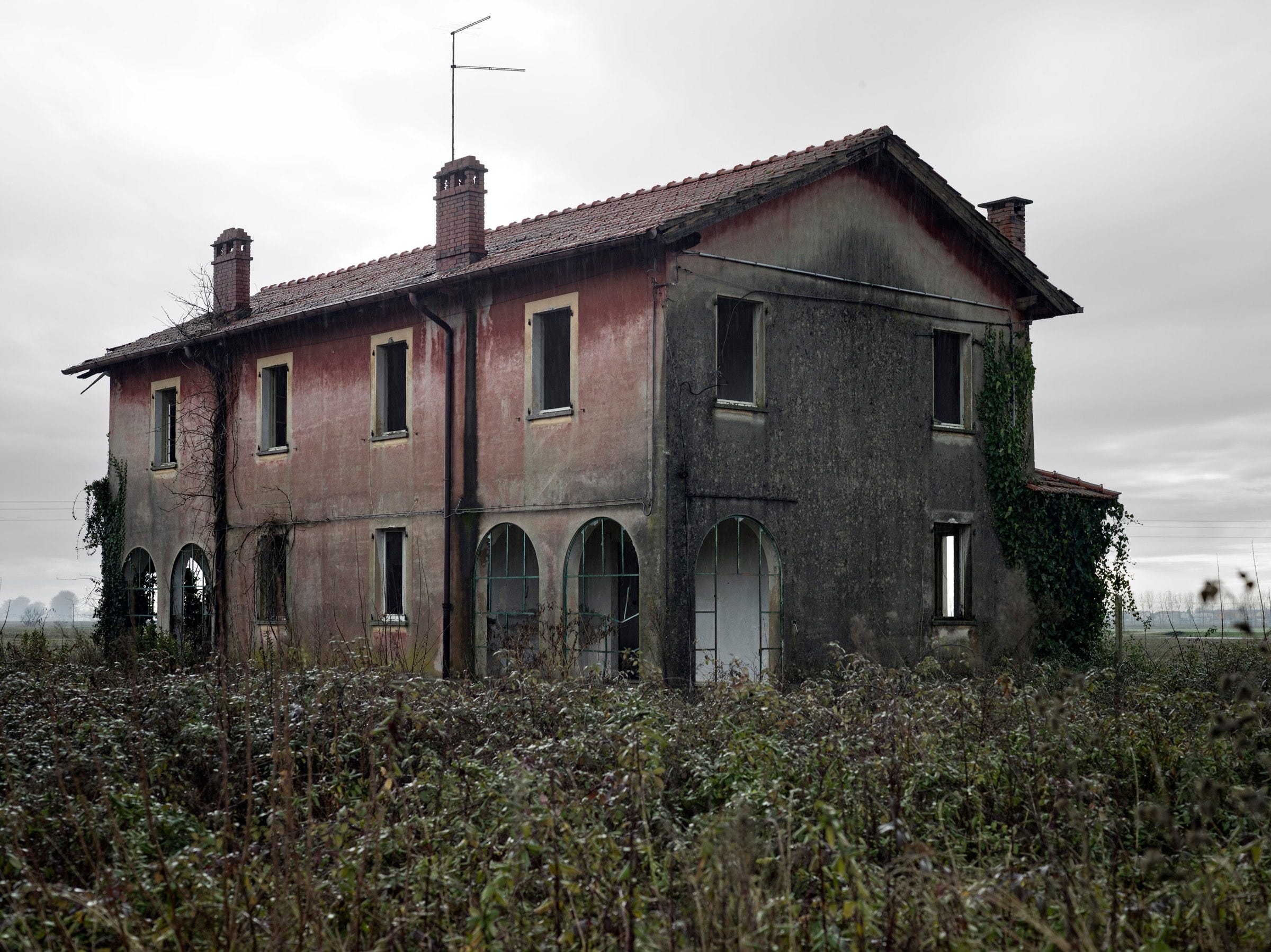
“The Disappearance of Harry Kipper” by Roberto Solomita
‘In January 1995, Italian media reported the disappearance of Harry Kipper, an English artist and cycle tourist. According to the reports, he was travelling across Friuli by bicycle, tracing the word “ART” through the route of his journey, when he vanished near the Slovenian border. Local and national newspapers formulated hypotheses, gathered clues and issued appeals.
’It would later emerge that Harry Kipper had never existed: he was a fictional character invented by the Luther Blissett collective to test the permeability of the media system. This work does not reconstruct that event, but moves through Friuli as a territory of plausible ambiguity, where a story can be believed because it aligns with the forms it takes and the environment that sustains it.
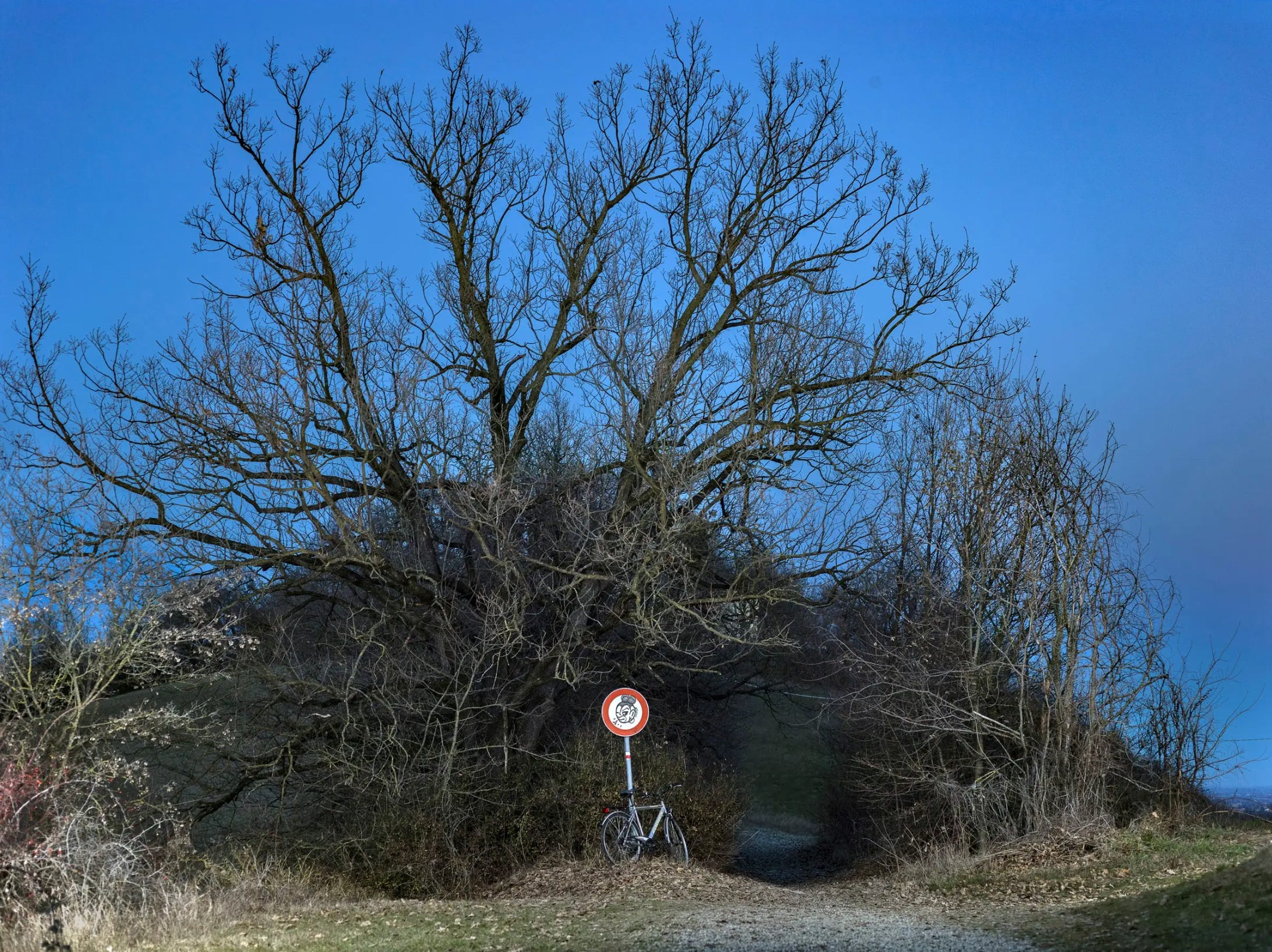
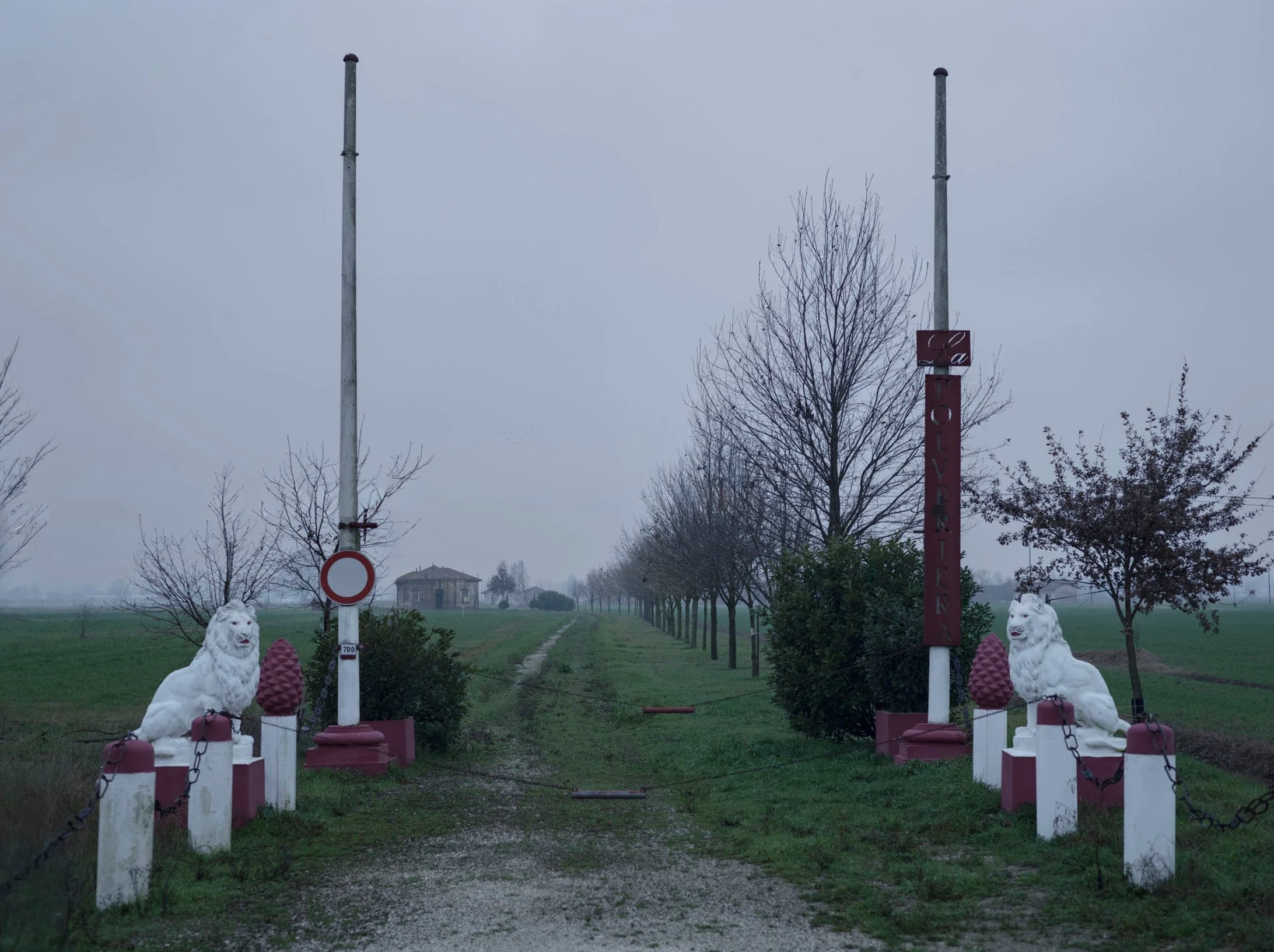
’The photographs adopt the language of documentation without actually documenting anything. They do not distinguish between evidence and staging, between trace and construction, operating along the boundaries of an indeterminacy that has accompanied the photographic image since its inception.
Harry Kipper thus becomes a case through which to observe how a story can move across a territory, be believed, disseminated, and ultimately disappear without leaving a trace.’ —Roberto Solomita, photographer
INSIGHT

“I feel like I’m building a sort of speculative future landscape, where these might be the last little fragments of a world that is lost. Sometimes, the plants and fungi feel a bit like they are huddling together, trying to hang on as things fall apart.” —Julya Hajnoczky, photographer
FEATURE SHOOT OPPORTUNITIES
👏🏻 Submit your work for consideration for this newsletter, our website, and our Instagram.
📝 Feature Shoot is looking for freelance writers to join our team. Apply here.
🏆 Join our premium newsletter to get our curated monthly newsletter with all the competitions, grants, and opportunities.
💼 Sign up for a portfolio review.
📢 Reach 58,000+ photography enthusiasts by advertising with us.